What is Menopause?
Every woman’s experience of menopause is different.
Menopause is the end of menstruation. Medically, this is the time 12 months after the final period. It is the result of the natural decline in the hormones oestrogen and progesterone, which are produced in the ovaries.
From the age of approximately 40 onwards, the levels of these two hormones start to decline, along with alterations in levels of a number of other hormones as well. This time is called perimenopause, and can last anywhere from 6 months up to 10 years.
Unfortunately, the hormones do not generally decline in an orderly fashion. They fluctuate erratically, and this in turn creates the menopausal symptoms that many women experience.
Physical, mental and emotional imbalances can occur. You may feel overwhelmed one minute and perfectly normal the next. Hot flushes, night sweats, dizziness, heart palpitations, headaches and fainting are some of the physical symptoms that are experienced by many women. Incontinence can become an issue; some aches and pains may appear.
Altered mood, anxiety, poor self-esteem, fatigue and depression are some of the psychological symptoms that can occur.
This list of symptoms may sound daunting, but not all women will experience them. You may have one or two minor symptoms, none at all, or have intense ones; every woman’s’ journey is unique.
There is support available to help you through this journey. Your first point of call should be your Doctor for advice and help if needed.
Learning about what is happening to your body is a great way to gain understanding of the changes occurring, and how to manage them.
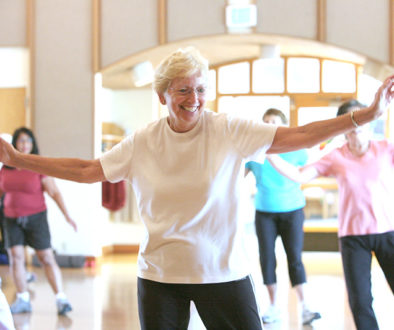
Good nutrition and exercise is key to managing many symptoms. From the age of 40 onwards it is important to keep your exercise levels up, particularly weight bearing and resistance exercise to ensure your bone density remains as high as possible. The 10 years following menopause are when you can lose up to 10% of your bone mass, so keeping on top of this as early as possible is very important.
To avoid that menopausal weight gain that seems to occur for many women, changing to healthy eating in your 40s can go a long way to keeping this to a minimum.
For further help in understanding what is happening and how to lose some of the menopausal weight gain you may be experiencing, contact Jane via email or mobile on 021 781 938 to find out how I can help you.